 mbosso
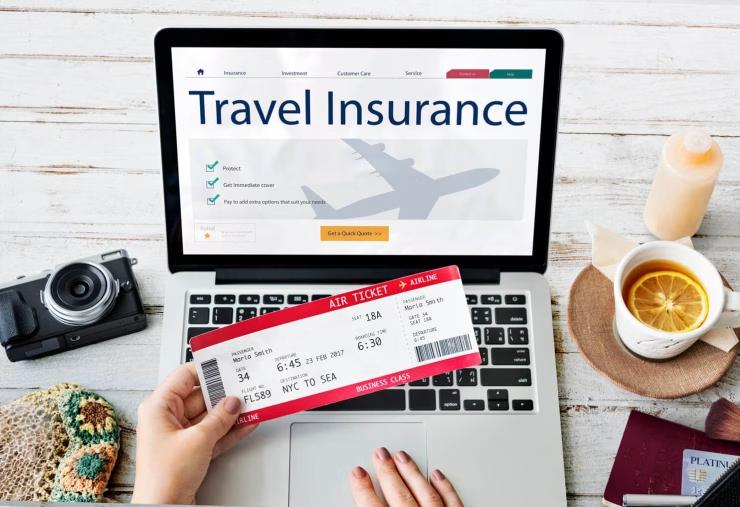
Travel Insurance
Traveling is one of life’s most enriching experiences. Whether you are exploring a new country, attending an important business meeting, or visiting loved ones abroad, every trip holds excitement and opportunity. But along with the excitement comes uncertainty—flight delays, lost luggage, sudden illness, accidents, or unexpected cancellations can disrupt your journey and lead to financial loss. That is why Travel Insurance is essential for every traveler.
This comprehensive guide explains what travel insurance is, why it matters, the types of coverage available, how to file claims, and how to choose the best plan for your needs. Whether you are a first-time traveler or a frequent flyer, this article will help you make informed decisions that guarantee safety and peace of mind during your journeys.
What Is Travel Insurance?
Travel insurance is a protection policy designed to cover financial losses and emergencies that may occur before or during a trip. These may include trip cancellation, medical emergencies, lost baggage, flight delays, passport loss, and personal accidents.
The main purpose of Travel Insurance is to provide a safety net that shields travelers from unexpected setbacks that could otherwise be extremely costly. With global travel becoming more unpredictable, having a solid travel policy is not just wise—it’s necessary.
Why Travel Insurance Is Important
There are countless reasons why every traveler should invest in a reliable insurance plan. Below are the top benefits:
1. Medical Protection Abroad
Medical treatment overseas can be very expensive. Travel insurance helps cover:
-
Emergency hospital visits
-
Doctor consultations
-
Ambulance services
-
Medical evacuation
This is especially important when traveling to countries with high healthcare costs.
2. Trip Cancellation Coverage
Sometimes unexpected situations—illness, family emergencies, work obligations, or natural disasters—force travelers to cancel their trip. Without insurance, prepaid expenses such as flights and hotel bookings may not be refunded. A travel policy protects you from these losses.
3. Lost or Delayed Luggage Compensation
Airlines lose or delay millions of bags every year. Travel insurance compensates for:
-
Lost baggage
-
Damaged luggage
-
Delayed baggage essentials
This ensures you are not stranded without necessary items.
4. Coverage for Travel Delays
Flight delays or missed connections can lead to hotel bookings and additional expenses. A travel policy covers these unexpected costs.
5. Emergency Assistance Anytime
Most insurers provide 24/7 worldwide support, helping travelers handle:
-
Language barriers
-
Hospital referrals
-
Emergency transportation
-
Lost passport assistance
This support is invaluable during international travel.
Types of Travel Insurance
Understanding the different types of travel insurance is essential for choosing the right plan. Here are the most common categories:
1. Single Trip Travel Insurance
Great for people planning one vacation or business trip. Coverage lasts for the duration of the trip and ends once you return home.
2. Annual Multi-Trip Insurance
Ideal for frequent travelers who take multiple trips within a year. This plan is cost-effective and offers continuous protection.
3. Family Travel Insurance
Covers all family members under one plan. It’s cheaper than purchasing individual policies and ensures everyone is protected.
4. Student Travel Insurance
Designed for students studying abroad. It covers medical emergencies, tuition, travel delays, and personal belongings.
5. Business Travel Insurance
Covers corporate travelers. This plan may include:
-
Laptop protection
-
Document loss
-
Meeting cancellation
-
Corporate liability
6. Senior Citizen Travel Insurance
Created for travelers aged 60+. It includes coverage for:
-
Pre-existing medical conditions
-
Emergency medical treatment
-
Evacuation services
7. Domestic Travel Insurance
Protects travelers during trips within their home country. Coverage includes accidents, delays, and personal losses.
8. International Travel Insurance
Offers worldwide protection and is ideal for overseas travelers. It provides higher coverage limits and additional benefits.
What Travel Insurance Covers
Coverage varies from plan to plan, but most policies include:
-
Emergency medical treatment
-
Hospitalization
-
Loss of passport
-
Trip delays
-
Trip cancellations
-
Lost or stolen baggage
-
Dental emergencies
-
Emergency evacuation
-
Accidental death and disability
-
Missed flight connections
-
Travel document replacement
Some insurers also offer special add-ons for travelers with specific needs.
What Travel Insurance Does Not Cover
While travel insurance is helpful, it has exclusions. These may include:
-
Traveling against medical advice
-
Alcohol- or drug-related incidents
-
High-risk activities (unless covered with add-on)
-
Pregnancy-related complications
-
Pre-existing conditions (unless specifically included)
-
Illegal activities
-
War or civil unrest
Always read your policy document carefully to understand what is excluded.
Optional Add-Ons for Enhanced Protection
Add-on coverage enhances your travel insurance plan. Some popular add-ons include:
Adventure Sports Coverage
Protects travelers who plan to engage in:
-
Scuba diving
-
Skydiving
-
Skiing
-
Trekking
Gadget Protection
Covers stolen or damaged devices such as smartphones, laptops, and cameras.
Extended Medical Coverage
Useful for senior travelers or those visiting high-cost countries.
Home Insurance Add-On
Covers your home while you are away, safeguarding against burglary or damage.
Cancellation for Any Reason (CFAR)
Offers maximum flexibility by allowing you to cancel your trip for almost any reason.
How Travel Insurance Works
Here’s a simple breakdown of how travel insurance typically operates:
1. Purchase Your Policy
Choose your plan based on your destination, duration, and desired coverage.
2. Read the Policy Document
Understand inclusions, exclusions, claim limits, and deductibles.
3. Save Important Documents
Keep digital and printed copies of:
-
Policy number
-
Customer service contacts
-
Coverage details
4. Contact Insurer During Emergencies
Most companies provide 24/7 global assistance.
5. File a Claim
Submit required documents such as:
-
Receipts
-
Medical reports
-
Police reports
-
Flight delay certificates
6. Receive Compensation
Once approved, the insurer pays you directly or reimburses your expenses.
How to Choose the Best Travel Insurance Policy
When selecting a travel policy, consider the following factors:
1. Your Destination
Medical costs, risks, and required coverage vary by country.
2. Trip Duration
Longer trips may require plans with extended coverage limits.
3. Purpose of Travel
Students, business travelers, and adventure seekers all have different needs.
4. Health Status
Those with medical conditions should choose plans that include extended medical coverage.
5. Coverage Amount
Look for policies with adequate limits, especially for medical emergencies.
6. Claim Settlement Ratio
A high settlement ratio indicates a reliable insurance provider.
7. Optional Add-Ons
Choose add-ons that match your travel activities.
Tips to Save Money on Travel Insurance
Compare Plans Online
Use comparison sites to find the best deal.
Buy Insurance Early
Purchasing early ensures maximum trip cancellation benefits.
Choose Only Necessary Add-Ons
Avoid paying for extras you don’t need.
Opt for Annual Coverage
If you travel frequently, an annual plan is more cost-effective.
Take Advantage of Discounts
Many insurers offer:
-
Family discounts
-
Student discounts
-
Early-bird offers
Common Myths About Travel Insurance
Myth 1: Travel insurance is unnecessary.
Emergencies can happen anytime, anywhere.
Myth 2: It only covers medical issues.
It covers cancellations, delays, lost baggage, and much more.
Myth 3: All travel policies are the same.
Coverage varies widely based on provider and plan type.
Conclusion
Choosing the right Travel Insurance is one of the smartest decisions any traveler can make. From medical emergencies to trip cancellations and lost luggage, a reliable policy protects you from unexpected financial losses and helps you travel stress-free. With the right plan, you gain confidence, safety, and security no matter where your journey takes you.
By understanding how travel insurance works, comparing plans carefully, and choosing coverage tailored to your needs, you can ensure a smooth and protected travel experience every time.




Add comment